

Kidney Stones Symptoms, Causes and Treatment
Kidney Stones Symptoms, Causes and Treatment:
Kidney stones are a common urinary tract condition that affects many people worldwide. These hard mineral deposits form inside the kidneys when substances like calcium, oxalate, and uric acid become highly concentrated in urine.
Understanding kidney stones symptoms, causes of kidney stones, and kidney stones treatment can help you detect the problem early and prevent serious complications. With the right lifestyle habits and medical care, kidney stones can often be treated and prevented effectively.
What Are Kidney Stones?
Kidney stones are hard, crystal-like deposits made of minerals and salts that develop in the kidneys. They can vary in size from tiny grains to larger stones that may block the urinary tract.
Small stones may pass naturally through urine, but larger stones can cause severe pain and require medical treatment
Symptoms of Kidney Stones
The symptoms of kidney stones can vary depending on the size and location of the stone. Some people may not experience symptoms until the stone starts moving through the urinary tract.
Common kidney stones symptoms include:
Severe pain in the lower back or side
Pain while urinating
Blood in urine (pink, red, or brown urine)
Frequent urge to urinate
Nausea and vomiting
Cloudy or foul-smelling urine
Fever and chills (if infection is present)
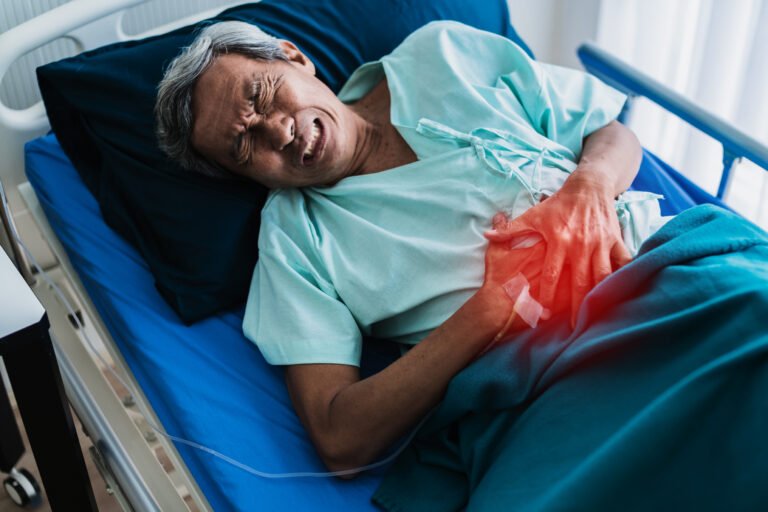
Kidney stone pain often comes in waves and can be extremely intense. This condition is sometimes called renal colic.
Causes of Kidney Stones
Understanding the causes of kidney stones can help reduce the risk of developing them.
1. Dehydration
Not drinking enough water leads to concentrated urine, increasing the chance of stone formation.
2. High Salt Intake
A diet high in salt increases calcium levels in urine, which may lead to kidney stones.
3. High Protein Diet
Consuming excessive animal protein can increase uric acid levels, contributing to stone formation.
4. Obesity
Being overweight changes urine composition and increases the risk of kidney stones.
5. Certain Medical Conditions
Conditions like urinary tract infections, gout, and digestive disorders can contribute to kidney stone formation.
6. Family History
If someone in your family has had kidney stones, your risk may be higher.
Kidney Stones Treatment
The kidney stones treatment depends on the size and type of stone.
1. Drinking More Water
Small stones can often pass naturally by drinking plenty of fluids.
2. Pain Relief Medication
Doctors may prescribe pain medications to manage kidney stone pain.
3. Medical Therapy
Certain medicines help relax the urinary tract muscles, making it easier for stones to pass.
4. Shock Wave Lithotripsy
This treatment uses sound waves to break kidney stones into smaller pieces.
5. Surgical Treatment
Large stones may require minimally invasive surgery for removal.
Kidney Stone Pain Treatment
Managing kidney stone pain is an important part of treatment. Doctors may recommend:
Pain relief medications
Anti-inflammatory drugs
Drinking plenty of water
Medical procedures if pain is severe
Prompt treatment can reduce discomfort and prevent complications.
Why Choose Janvi Multispeciality Hospital?
- 24×7 emergency care
- Experienced cardiology & internal medicine team
- Rapid ECG & diagnosis
- Advanced ICU & monitoring
- Personalized treatment
- Immediate response to critical cases